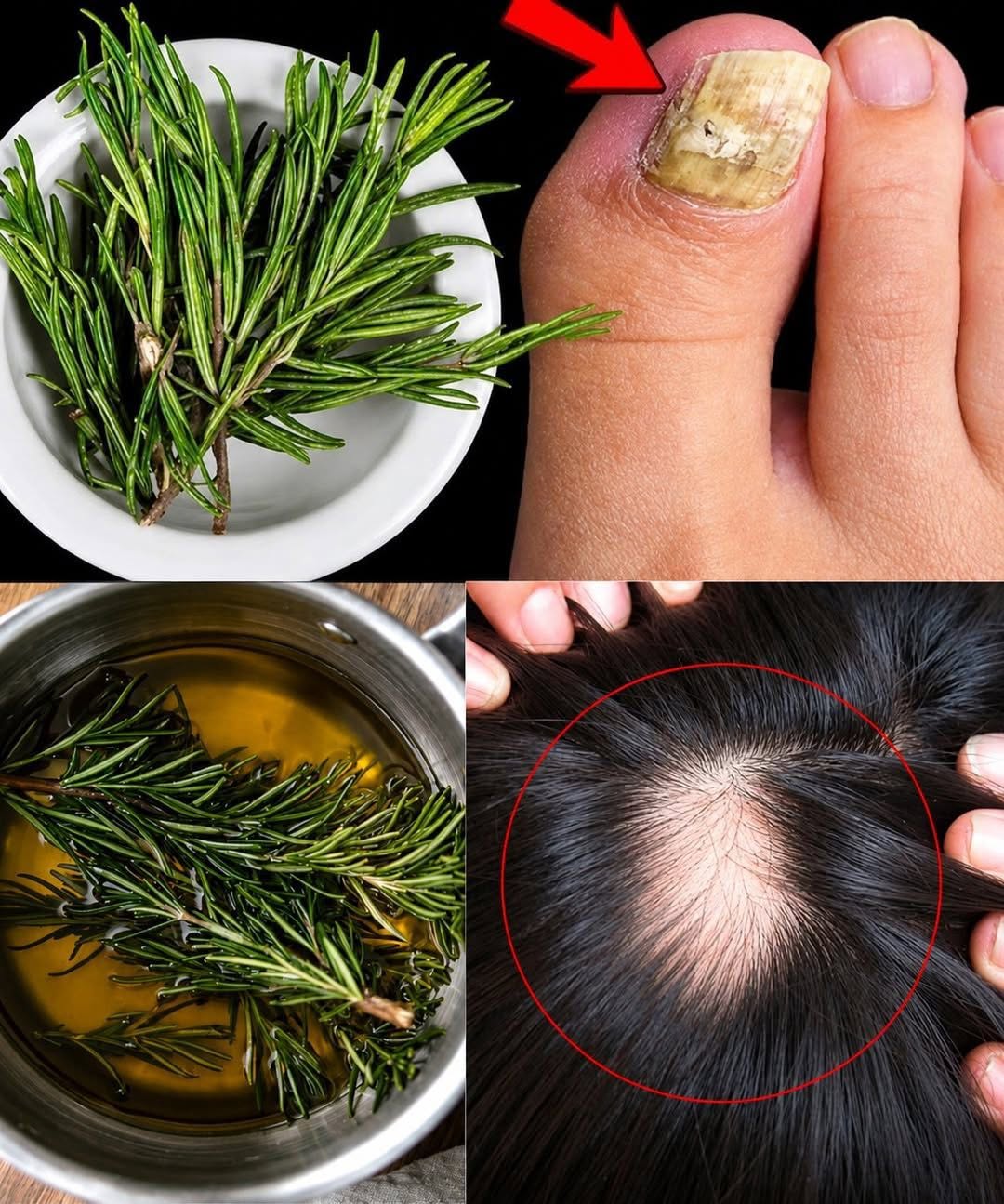
Social media is filled with posts claiming that rosemary can eliminate fungus on the scalp, nails, hands, and feet “super fast.” While rosemary is a fascinating herb with a long history of traditional use, it’s important to understand the difference between supportive care and proven medical treatments.
The truth is that rosemary may help support skin and scalp health, but there is no scientific evidence that rosemary alone can instantly cure fungal infections.
Let’s explore the facts and learn how rosemary can be used safely.
Why Rosemary Is So Popular
Rosemary (Rosmarinus officinalis) contains natural plant compounds, including:
- Antioxidants
- Rosmarinic acid
- Essential oils
- Anti-inflammatory compounds
Because of these properties, rosemary is commonly found in:
- Hair care products
- Scalp treatments
- Skin care products
- Herbal rinses
Can Rosemary Kill Nail Fungus?
Fungal nail infections are often stubborn and may require:
- Prescription treatments
- Medicated creams
- Antifungal solutions
- Professional medical evaluation
While rosemary oil has shown some antimicrobial activity in laboratory studies, there is no reliable evidence that a simple rosemary remedy can completely eliminate established nail fungus.
A Traditional Rosemary Infusion
Many people enjoy using rosemary as a scalp rinse or foot soak.
Ingredients
- 2 tablespoons fresh rosemary
- 2 cups water
Step 1
Bring the water to a gentle boil.
Step 2
Add the rosemary.
Step 3
Simmer for 10–15 minutes.
Step 4
Allow the mixture to cool.
Step 5
Strain and use as a rinse for the scalp or as a foot soak.
Potential Benefits for Hair and Scalp
Some studies suggest rosemary may help support:
- Scalp health
- Hair appearance
- Hair thickness in certain cases
- Reduced scalp irritation
However, results take time and vary from person to person.